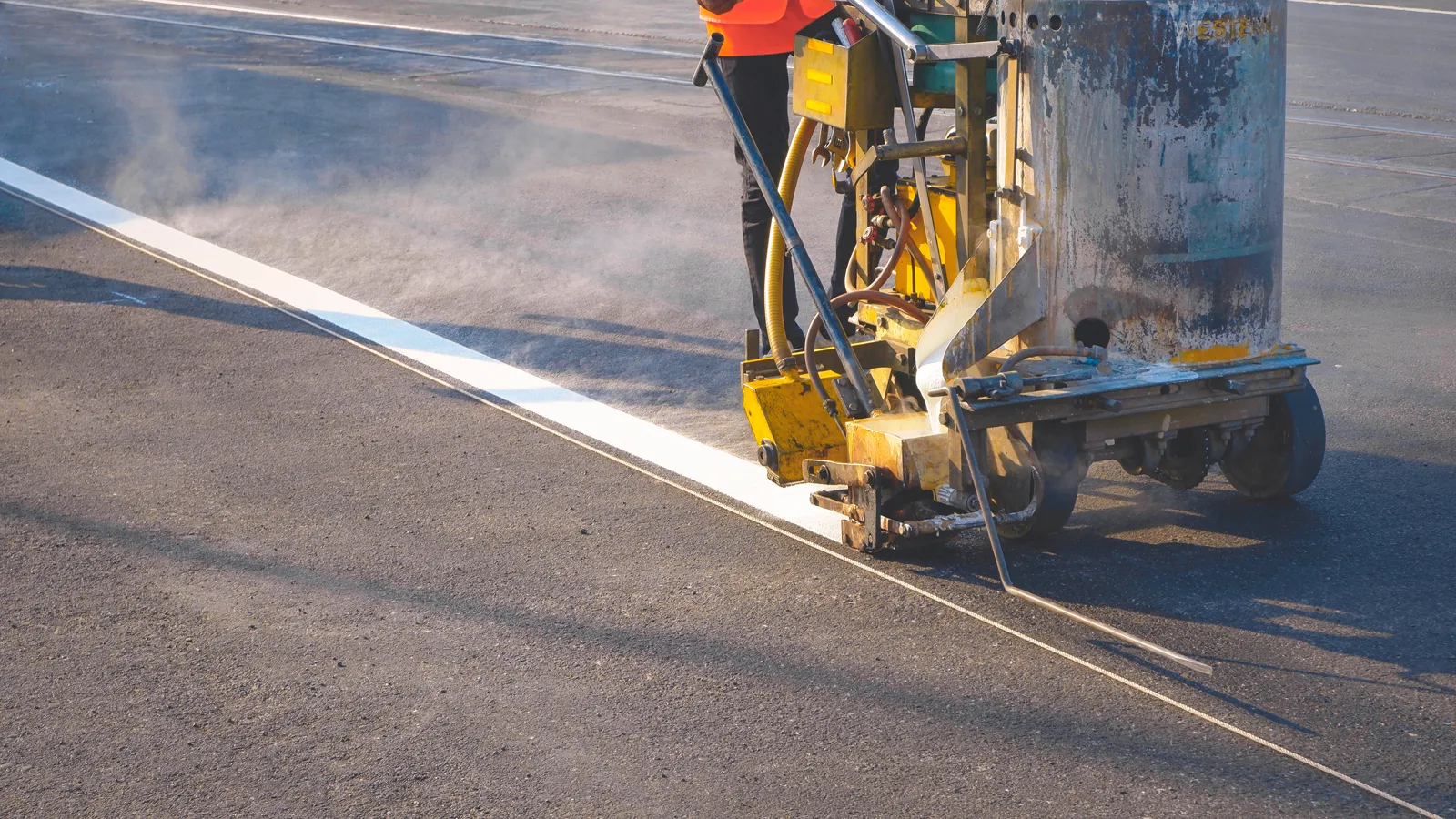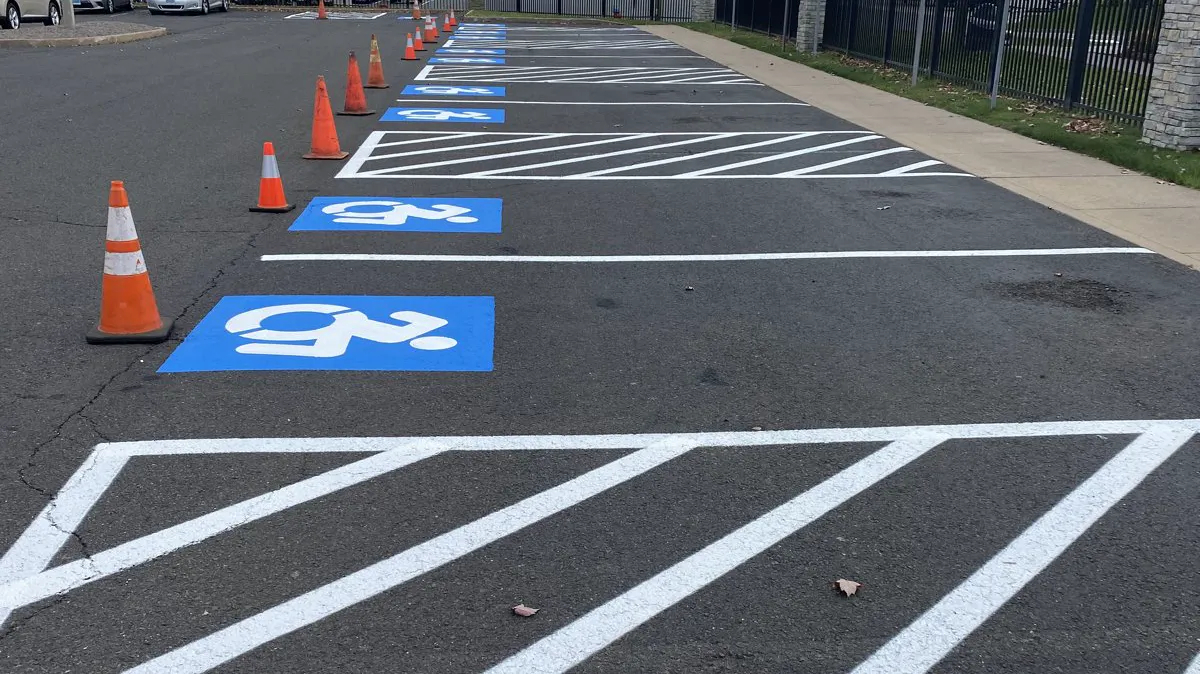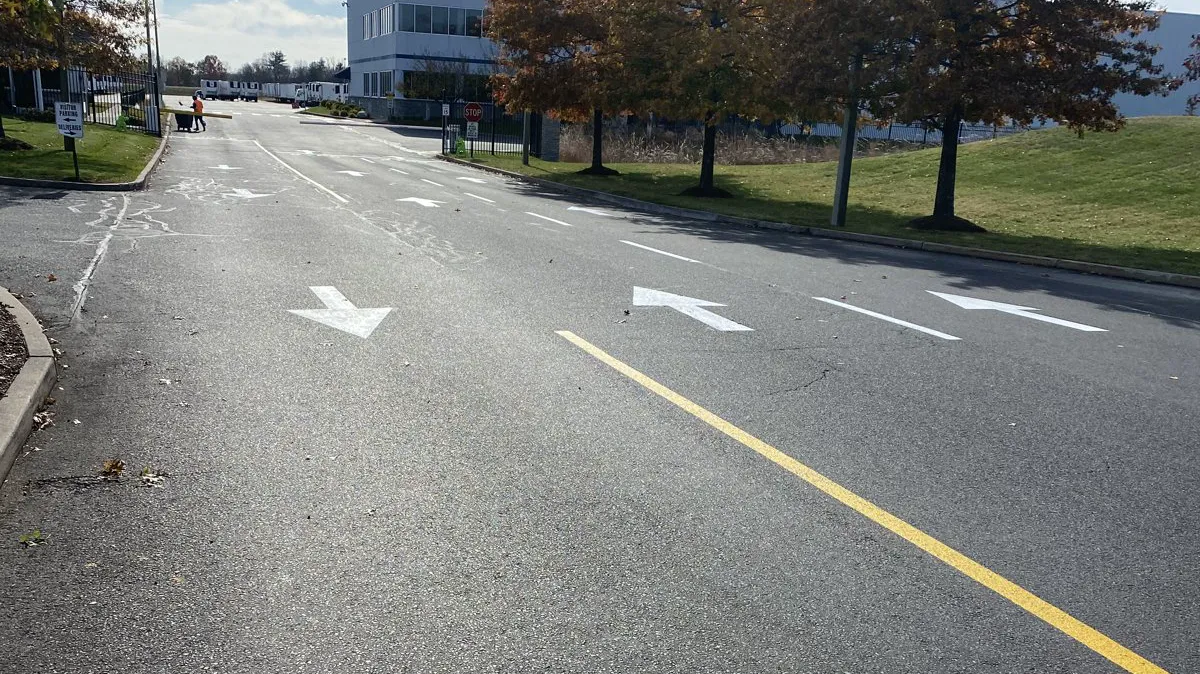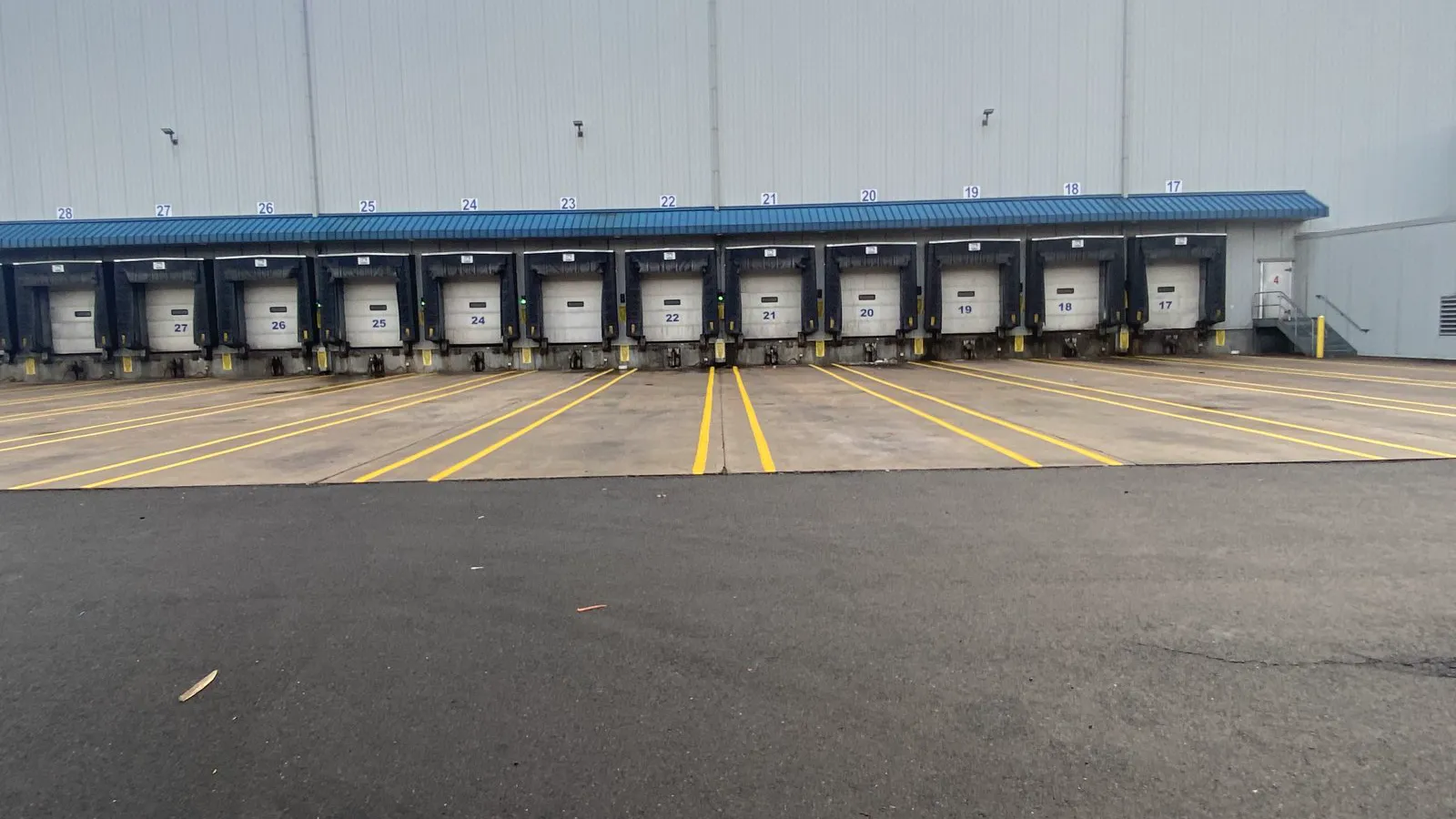
Most of what makes a striping job go smoothly happens before we pull in. An empty, swept lot gets painted in half the time and the paint lasts longer. Here is what we ask property managers to do ahead of the visit, and what we handle ourselves.
A week before
Confirm the date and the hours. We will tell you the start time and roughly how long the lot (or each section) will be closed. Most small lots are done in a few hours. Larger lots are done in phases so part of the lot stays open.
Tell the tenants. A quick email or a notice on the doors a few days ahead is usually enough. Say which areas will be closed, from when to when, and where to park in the meantime. Apartment and condo complexes should give residents at least a few days' notice and a reminder the night before.
Decide what you want changed. If you are thinking about adding accessible stalls, EV charging spaces, numbered stalls, a crosswalk or a one-way aisle, now is the time to say so. Changing the layout once the lot is chalked is possible but slows everything down. If you have a site plan, send it over.
Check the fire marshal and ADA items. If you have a notice from the fire marshal or an inspection report, send it so we match it. Our guides on Connecticut fire lane rules and ADA parking requirements cover what to look for.
Sealcoating, crack filling and paving
If any of this is on the schedule, striping goes last.
- Crack filling should be done and cooled before striping. Hot rubber crack filler needs to set so paint does not bleed into it.
- Sealcoating needs to cure, usually 24 to 48 hours in warm dry weather and longer when it is cool. Striping on sealer that is still soft will mar and peel.
- New asphalt needs to cure for a few weeks before paint will bond to it properly. Striping fresh pavement too early is a common mistake.
Tell us the paving or sealing date and we will schedule behind it.
The day before
Get the cars out. This is the big one. Every car left in the lot is a section we cannot paint, and a lot of them means a return trip. Tow-away signs the day before help on apartment and retail lots. For a business lot, ask staff to park on the street or in a neighboring lot for the morning.
Sweep or blow the lot if it is bad. We blow off loose debris before painting as part of the job. If the lot has a winter's worth of sand or a heavy leaf cover, a sweeper the day before makes a real difference in how the paint bonds and how fast we work.
Move the dumpsters, trailers and storage. Anything sitting on the pavement is a hole in the layout.
Clear the fire lanes and curbs. If we are painting curbs, the cars along them need to be gone and the curbs need to be free of weeds and loose paint. We brush them before painting, but a clean curb line to begin with helps.
Striping day
Keep the lot clear until we say it is ready. Water-based traffic paint is dry to the touch in 30 to 60 minutes in good weather and ready for cars in one to two hours. We cone the painted areas and tell you when they can open. Humid days take longer.
Have someone reachable. Not on site necessarily, just a phone number for the person who can answer a question like "do you want this stall numbered 12 or 12A." Ten seconds on the phone beats a guess.
Watch the weather with us. If rain moves in, we stop and reschedule the rest. We do not paint into a storm just to finish.
What we bring and do
- Blow off the lot before painting.
- Measure and chalk the layout if it is a new layout, or follow the existing lines if it is a re-stripe.
- Paint stalls, aisles, arrows, STOP bars, crosswalks, accessible symbols, stencils and curbs as quoted.
- Cone and tape the fresh paint and tell you when the lot can open.
- Clean up and send you a photo of the finished lot.
After
Give the paint a couple of days before any pressure washing or sweeping. Note the date somewhere so you know when the next re-stripe is due, usually in one to three years. And if anything is not right, call us. We would rather fix it than hear about it later.
Ready to schedule? Request a quote or call (860) 906-7740.